Although the true roots of kickboxing date back to Asia 2,000 years ago, modern competitive kickboxing actually started in the 1970s, when American karate experts arranged competitions that allowed full-contact kicks and punches that had been banned in karate.
Cardio kickboxing classes usually start with 10-15 minutes of warm-ups, which may include stretching and traditional exercises such as jumping jacks and push-ups, followed by a 30-minute kickboxing session that includes movements such as knee strikes, kicks, and punches. Some instructors may use equipment like punching bags or jump ropes
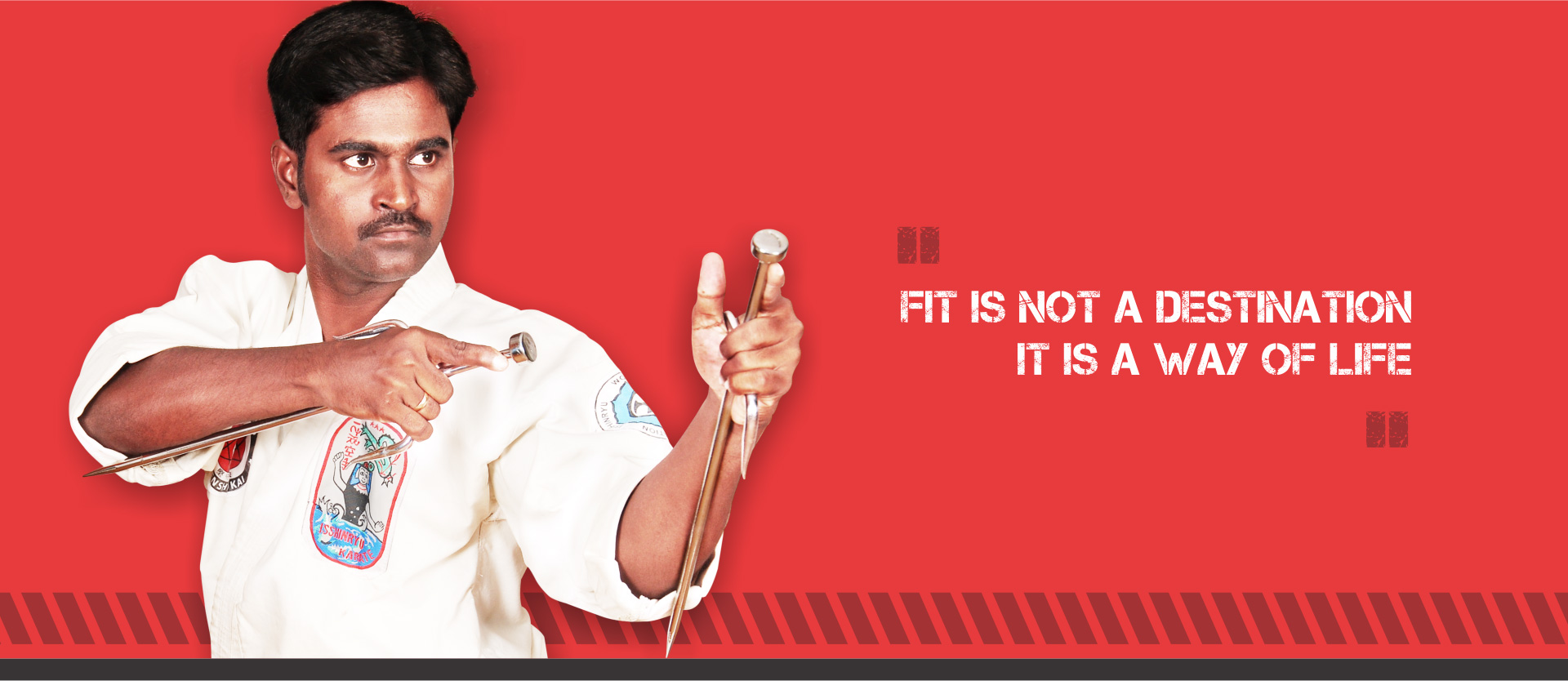
Isshin-ryu, with roots going back 500 years, is a postwar development, modernized to meet the needs of today's world. It was founded in the 50's and has been taught ever since to American Marines stationed in Okinawa.
Although the true roots of kickboxing date back to Asia 2,000 years ago, modern competitive kickboxing actually started in the 1970s, when American karate experts arranged competitions that allowed full-contact kicks and punches that had been banned in karate.
Because of health and safety concerns, padding and protective clothing and safety rules were introduced into the sport over the years, which led to the various forms of competitive kickboxing practiced in the United States today. The forms differ in the techniques used and the amount of physical contact that is allowed between the competitors.
Currently, one popular form of kickboxing is known as aerobic or cardiovascular (cardio) kickboxing, which combines elements of boxing, martial arts, and aerobics to provide overall physical conditioning and toning. Unlike other types of kickboxing, cardio kickboxing does not involve physical contact between competitors — it's a cardiovascular workout that's done because of its many benefits to the body.
Cardio kickboxing classes usually start with 10-15 minutes of warm-ups, which may include stretching and traditional exercises such as jumping jacks and push-ups, followed by a 30-minute kickboxing session that includes movements such as knee strikes, kicks, and punches. Some instructors may use equipment like punching bags or jump ropes.
After this, at least 5 minutes should be devoted to cooling down, followed by about 10 minutes of stretching and muscle conditioning. Stretching is really important because beginners can strain ("pull") their muscles, and slow, proper stretching helps relax muscles and prevent injury.
Instructional videos and DVDs are also available if you're interested in trying a cardio kickboxing routine at home.
Isshin-ryu (one heart/one mind) introduced in 1954 by Tatsuo Shimabuku. Sensei Shimabuku Studied both the Shorin-Ryu and Goju-Ryu systems; studied Kobayashi-Ryu under Chotoku Kiyan and later under Choki Motobu. Then He studied the Bo, Sai and Tonfa under Okinawa's most noted instructors. Isshinryu is a combination of the best of these styles and weapons techniques and epitomizes the powerful, lightning-fast techniques that enabled the weaponless Okinawans to endure the rein of the Chinese empire and to defeat the sword-wielding Samurai of Japan.
Isshin-ryu main goal is to perfect of oneself through physical and mental development. As students learn they acquire self-confidence, serenity, and humility.